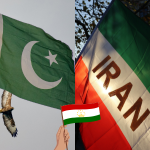
Recent developments in the Middle East have brought Pakistan into the spotlight as a mediator in regional ceasefire agreements. So, the latest Pakistan ceasefire Iran talks reflect Islamabad’s growing diplomatic role in easing tensions between Iran, the US, and Lebanon. So, in this article explores the details of the ceasefire, Pakistan’s involvement, and its implications for regional stability.
Trump on Iran Ceasefire: موقف, بیانات اور عالمی ردعمل
Pakistan’s Role in Regional Ceasefires
Pakistan has long been recognized for its neutral stance in Middle Eastern conflicts. The Pakistan Lebanon ceasefire and Pakistan-Iran relations have recently been strengthened through active diplomacy. With the Pakistan Prime Minister engaging in direct talks with Iranian officials, Islamabad is positioning itself as a key mediator. So, the Pakistan map now shows increased engagement with regional players, underlining its strategic importance.
Iran Ceasefire Developments
Iran has announced a new ceasefire, following intense Iran-US ceasefire discussions. According to sources, the Iran ceasefire terms include a 10-point plan aimed at reducing hostilities in Lebanon and preventing escalation with Israel. Analysts are closely watching whether the Iran ceasefire broken reports are accurate or if the agreement will hold. Reddit forums such as Iran ceasefire Reddit have been buzzing with debates on whether the ceasefire can last.
Key Terms of the Iran Ceasefire
The Iran ceasefire deal details reveal that Tehran has proposed a 10-point plan focusing on border security, diplomatic engagement, and halting aggressive actions in Lebanon. The Iran ceasefire agreement terms also include steps for humanitarian aid and ceasefire monitoring by international observers. Questions like “Is the ceasefire over?” and “Iran US ceasefire terms?” are frequently discussed in Iran News and international media.
Impact on Pakistan and the Region
Pakistan-US-Iran relations are expected to improve if the ceasefire holds. The Pakistan flag is now symbolic not only of national pride but also of Pakistan’s diplomatic role in facilitating peace. Concerns about Iran-Pakistan war scenarios have eased following Pakistan-Iran talks, though analysts caution that the Iran ceasefire broken incidents could destabilize the progress. Meanwhile, the Pakistan map shows key routes for diplomatic engagement and humanitarian aid distribution in the region.
Israel and Lebanon Context
The Iran ceasefire Lebanon component addresses tensions in southern Lebanon, where Hezbollah’s actions have been a major concern. Israel News sources continue to question “Why is Israel attacking Lebanon?” even as Iran’s 10-point ceasefire plan aims to reduce hostilities. So, the ceasefire’s success could influence US ceasefire Iran negotiations and broader Iran-US talks.
US-Iran Ceasefire Negotiations
The Iran-US ceasefire deal terms are still under scrutiny. While some reports suggest Iran-US ceasefire broken incidents, other sources confirm a tentative agreement that includes the Iran ceasefire 10 point plan. Analysts are monitoring Iran US ceasefire 10 points and the implications for global security. The Iran ceasefire agreement terms also intersect with Pakistan’s mediation efforts, reinforcing Pakistan-US-Iran cooperation.
Public Reaction and Media Coverage
Reddit discussions such as Iran ceasefire Reddit debate the feasibility of the ceasefire, while Iran ceasefire news outlets report on ongoing monitoring and challenges. Questions like “Is Israel still bombing Iran?” and updates on Iran ceasefire Israel remain focal points in international news coverage.
Conclusion
The Pakistan ceasefire Iran initiative highlights Islamabad’s increasing diplomatic influence in Middle Eastern conflicts. With Pakistan Prime Minister, active Pakistan Iran talks, and careful monitoring of Iran ceasefire terms, the region cautiously hopes for lasting peace. However, uncertainties remain, including potential Iran ceasefire broken scenarios and ongoing tensions between Israel, Lebanon, and Iran. The next few weeks will be critical in determining whether this ceasefire transforms into a sustainable peace agreement.
US Arrests Soleimani Relatives After 2020 Baghdad Strike
1. Did Iran and Israel go for a ceasefire?
As of now, there is no formal Iran-Israel ceasefire agreement. Reports suggest that any reduction in hostilities is more tactical and limited rather than a formal agreement.
2. What are Iran’s ceasefire conditions?
Iran’s ceasefire conditions, based on the 10-point plan, include:
- Halting aggressive military actions in Lebanon and border areas.
- Ensuring protection for Iranian-backed groups like Hezbollah.
- Allowing humanitarian aid access to affected regions.
- Respecting international borders and ceasefire lines.
- Engaging in diplomatic talks with opposing parties.
- Reducing tensions with US and regional allies.
- Cease targeting civilian areas.
- Withdrawal from disputed zones.
- Establishing monitoring mechanisms with international observers.
- Commitment to dialogue for long-term peace.
3. Who started the Iran war in 2026?
The 2026 Iran conflict escalated after cross-border attacks and drone strikes in disputed areas, combined with rising tensions involving US-backed operations and local proxy groups. Both sides blame each other for initiating hostilities. Analysts say it was a combination of US-Iran tensions and regional disputes that triggered the conflict.
4. Was the second pilot found in Iran?
Reports confirm that one pilot involved in the 2026 incident was captured, while details about a second pilot remain unclear. Some sources claim the second pilot was rescued during a joint operation, but Iran has not officially confirmed this publicly.
5. Is Iran a US ally now?
No, Iran is not an ally of the US. Current US-Iran relations are tense, and the ceasefire talks are tactical measures to prevent further escalation rather than a shift in alliances.
6. Why is the US against Iran?
The US opposes Iran mainly because of:
- Iran’s nuclear program.
- Support for proxy groups in the Middle East.
- Regional influence that counters US interests in Israel, Lebanon, and Gulf countries.
- Human rights concerns and sanctions violations.
7. Who is more powerful, Iran or the USA?
The USA is more powerful militarily and economically than Iran. The US has global military reach, advanced technology, and a larger economy. Iran has strong regional influence and asymmetric warfare capabilities but cannot match US global power.
8. Is the ceasefire agreed by Iran?
Yes, Iran agreed to a conditional ceasefire, primarily under the 10-point proposal. However, the agreement is fragile, and some clashes are still reported, which fuels concerns about whether the ceasefire will hold.
9. Who is more powerful, Iran or Israel?
Israel has a more advanced military technology and nuclear capability, while Iran has larger manpower and regional proxy networks. Militarily, Israel is stronger in conventional warfare, but Iran leverages asymmetric tactics in conflicts.
10. How many US troops were killed in Iran?
Official numbers are limited, but reports indicate a small number of US troops were casualties, mostly from targeted attacks and drone strikes. Exact figures are classified and not fully confirmed.
11. Why did Iran cut off the internet?
Iran cut off the internet to:
- Prevent real-time reporting of military operations.
- Limit social media from spreading news of attacks or protests.
- Control internal dissent during the conflict.
12. 10 points of Iran for ceasefire
To summarize, Iran’s 10-point ceasefire plan includes:
- Stop military actions in Lebanon and disputed borders.
- Protection for Iranian allies (e.g., Hezbollah).
- Facilitate humanitarian aid.
- Respect international borders.
- Diplomatic engagement with opposing forces.
- Reduce tensions with US and allies.
- Avoid targeting civilians.
- Withdrawal from contested areas.
- Set up monitoring mechanisms.
- Commit to long-term dialogue for peace.